
Horror does not always rely on monsters. Sometimes, the most effective fear comes from spaces that feel almost familiar. That is exactly why The Backrooms has captured so much attention. Inspired by one of the internet’s most recognisable horror concepts, the upcoming film explores how colour, composition, and subtle imperfections can create unease long before anything frightening appears on screen.
For designers, The Backrooms is a fascinating case study in how visual language alone can shape emotion.
The concept itself has surprisingly simple origins. In 2019, a single photograph of an empty office-like space was posted online with a short description imagining what would happen if someone “noclipped” out of reality. The image showed faded yellow walls, stained carpet, fluorescent ceiling lights, and endless identical rooms. Nothing dangerous was visible, yet something felt deeply wrong. From that one image, the internet built an entire mythology, inspiring thousands of stories, games, animations, and eventually a feature film.
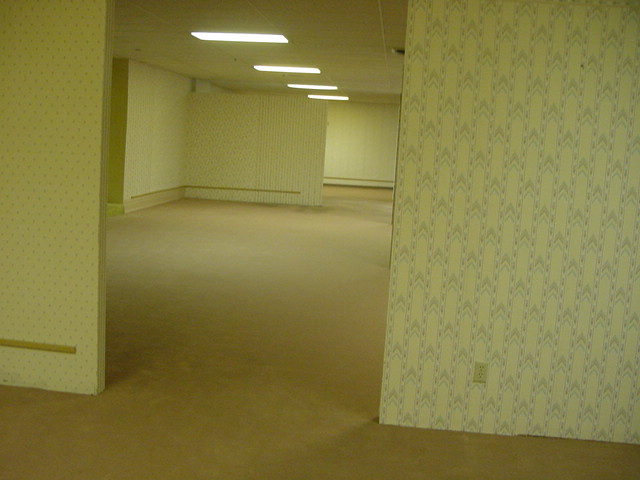
What makes the space so effective is not what has been added, but what has been taken away. There are no personal belongings, no windows, no landmarks, and no sense of direction. Designers often use environmental cues to help audiences feel grounded, but The Backrooms deliberately removes them. Every room blends into the next, creating a feeling of disorientation that becomes increasingly uncomfortable.
Colour plays a huge role in this. Yellow is normally associated with warmth, optimism, and energy. It is a colour used in children’s toys, fast food branding, and wayfinding because it naturally attracts attention. Yet in The Backrooms, those expectations are completely subverted.
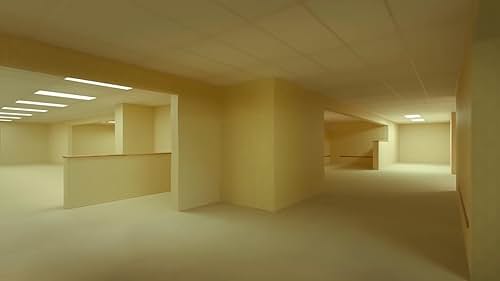
The faded, sickly yellow walls feel old, artificial, and neglected. Combined with dim fluorescent lighting, the colour loses its welcoming qualities and instead creates tension. Rather than feeling bright, it feels stale. It is a perfect example of how context changes the emotional meaning of colour. The same yellow that can communicate happiness in one setting can become deeply unsettling in another.
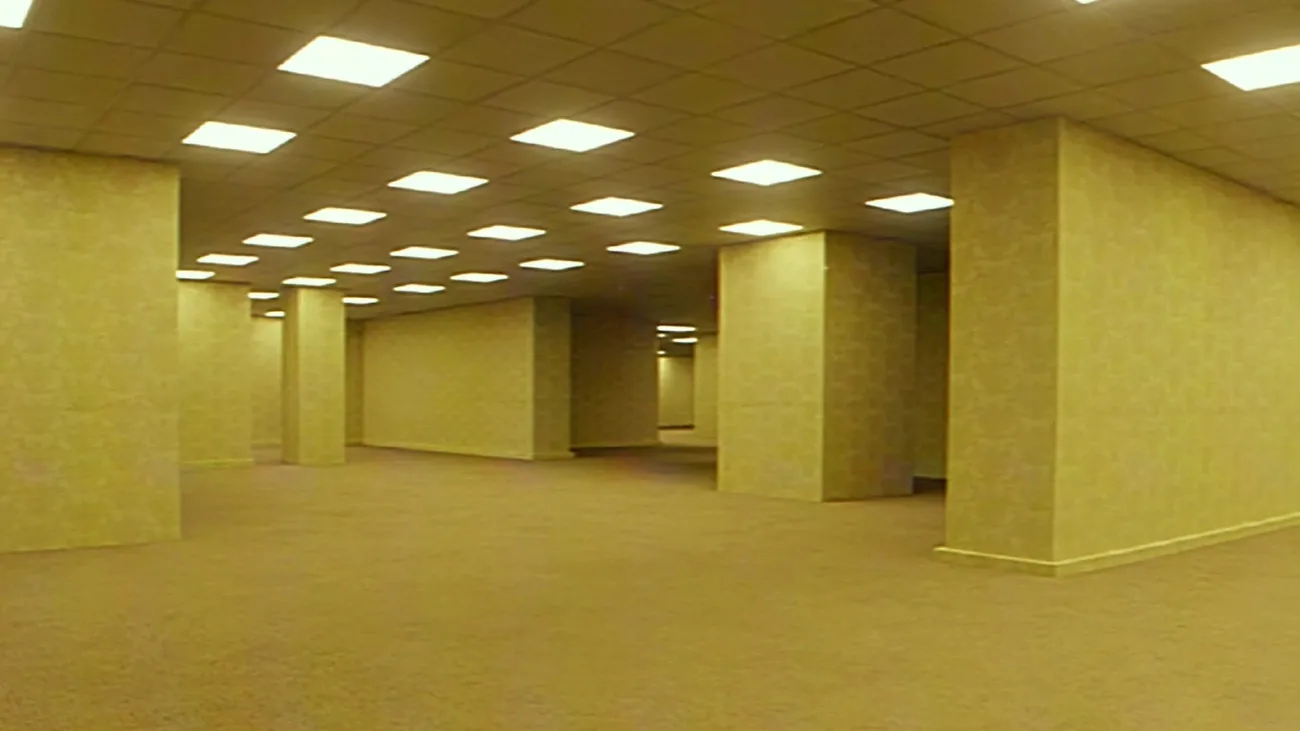
Lighting strengthens that effect. Harsh fluorescent panels create flat, shadowless environments that remove much of the visual depth our brains rely on. Every room feels exposed, yet strangely empty. The constant artificial light also removes any indication of time. Without daylight or darkness, there is no sense of progression, making the environment feel endless.
The Backrooms also makes brilliant use of the Uncanny Valley. While the term is often associated with robots or digital humans, the same principle applies to environments. The rooms are recognisable enough to feel familiar, but every detail is just slightly wrong. The proportions seem off, the repetition becomes unnatural, and the endless identical corridors create a space that feels believable at first glance before becoming increasingly disturbing.
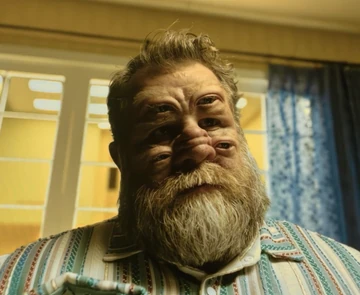
This balance between familiarity and distortion is one of the reasons the concept has resonated so strongly online. Our brains constantly search for patterns and landmarks to help us understand a space. When those patterns repeat endlessly without variation, they stop feeling comforting and instead become a source of anxiety.
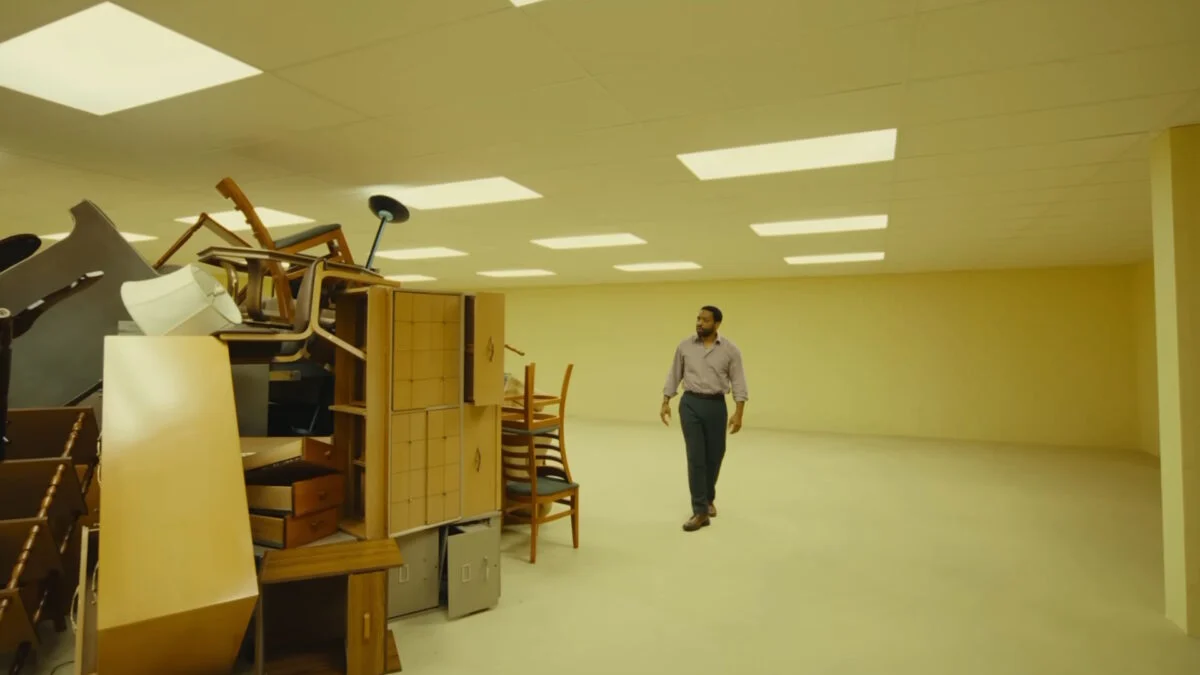
The framing of the spaces contributes just as much. Long corridors disappear into darkness, low camera angles exaggerate the height of the ceilings, and symmetrical compositions emphasise repetition. The viewer is rarely given a complete understanding of the environment, encouraging the imagination to fill in what lies beyond the frame. Often, what we imagine is more frightening than anything explicitly shown.
The success of The Backrooms is a reminder that effective design does not always need complexity. A limited colour palette, repetitive architecture, and carefully considered composition are enough to create an atmosphere that millions of people immediately recognise.
For graphic designers, there is an important lesson here. While good design can be about making something beautiful. It is about making people feel something. Whether that feeling is comfort, excitement, nostalgia, or unease, every decision, from colour and lighting to spacing and composition, contributes to the emotional experience.
The Backrooms proves that sometimes the most memorable designs are not the loudest or the most detailed. They are the ones that stay with you because they feel just a little bit wrong.