In digital spaces where attention is constantly fragmented, visual design plays a quiet but powerful role in shaping how people feel. Beyond usability or aesthetics, design has the ability to create calm, focus, and emotional warmth. The way something looks can influence whether a space feels stressful or reassuring before a single interaction even happens.
This is especially visible in the growing popularity of softer digital experiences. Across interfaces, branding, and games, there has been a clear shift toward gentler visual languages. Pastel colour palettes, rounded forms, and subtle motion all contribute to environments that feel welcoming and easy to spend time in. These choices are not limited to entertainment. They offer valuable lessons for graphic designers working across digital and physical spaces.
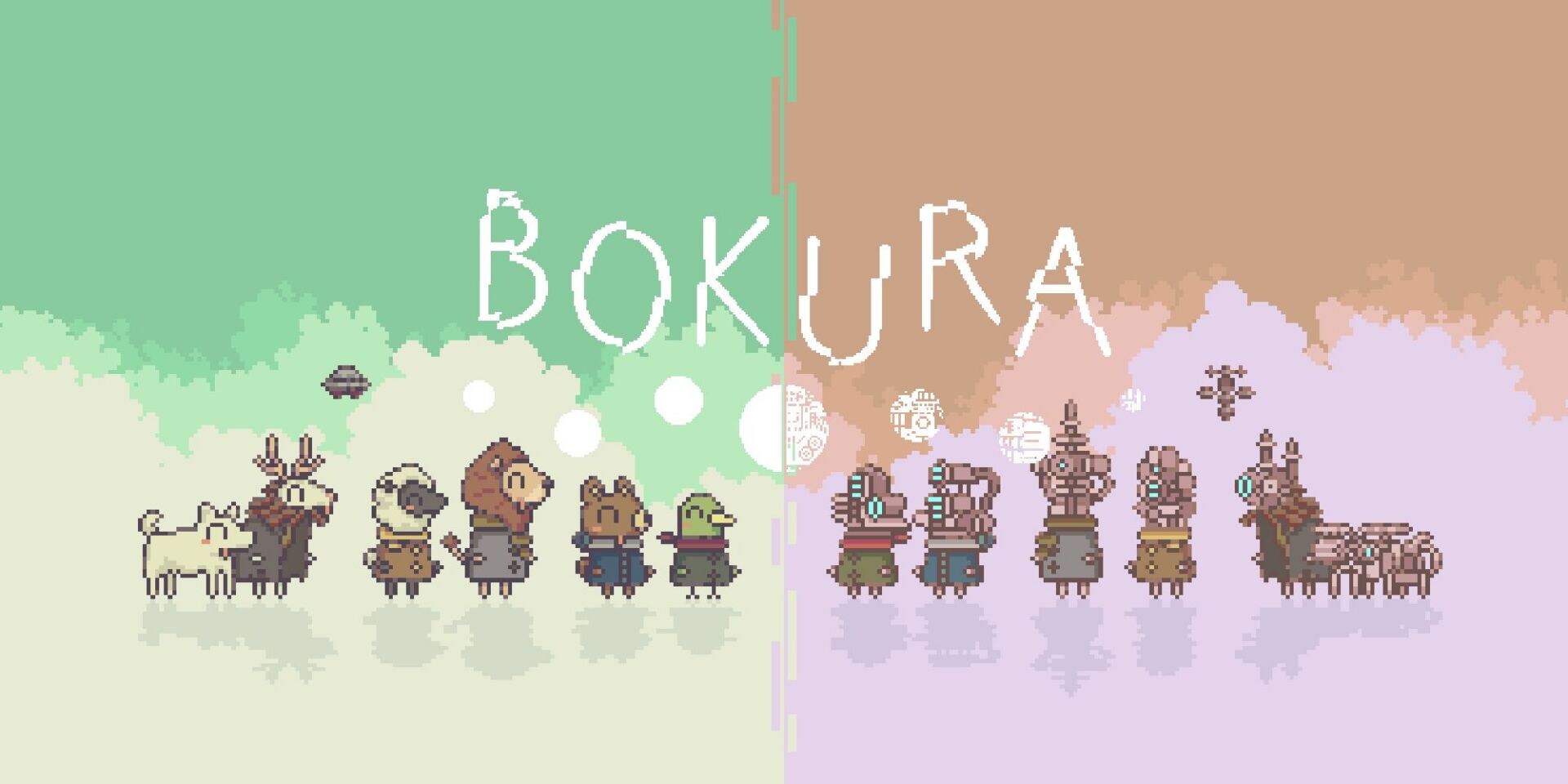
Shape is often the first signal a user receives. Rounded corners and curved forms feel familiar and approachable, echoing objects we associate with safety and comfort. When applied to interfaces or layouts, these shapes create a sense of openness and ease. The design feels considered rather than rigid, allowing users to engage without feeling on edge.
Colour reinforces that emotional tone. Soft palettes and muted hues help create visual harmony, allowing content to breathe. In Spiritfarer, colour supports the emotional weight of the narrative, wrapping heavy themes in warmth and care. In A Little to the Left, the same restraint in colour turns everyday actions into something quietly satisfying. The palette becomes part of the experience, guiding mood as much as interaction.

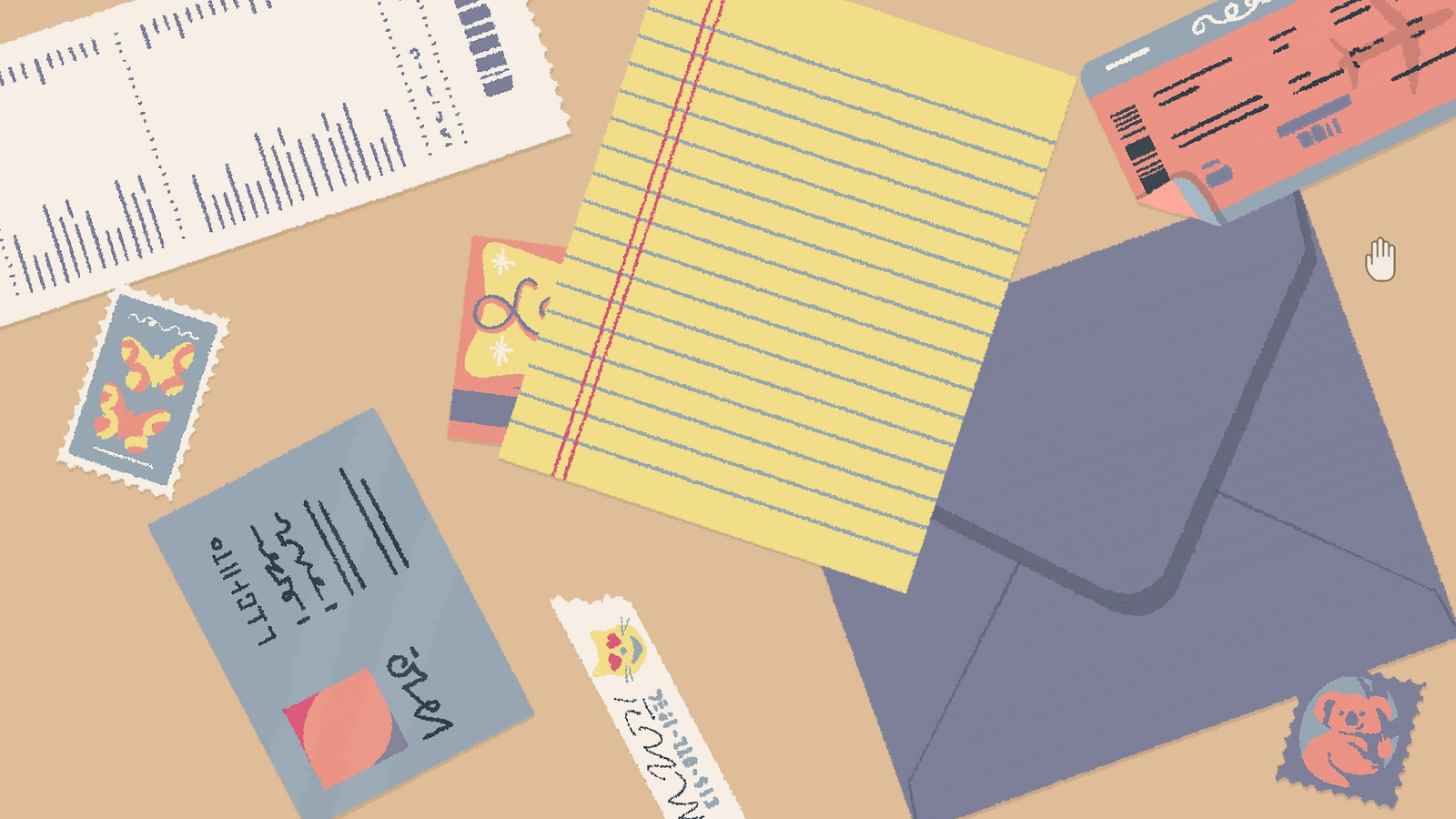
Typography plays an equally important role. Typefaces with rounded forms, gentle weights, or hand-drawn qualities introduce personality without overwhelming the layout. In Unpacking, typography feels domestic and familiar, echoing the intimacy of the story being told. Thoughtful type choices help reinforce the sense that a space has been crafted with care, making the experience feel more human.

Clarity ties all of these elements together. Soft design often relies on simple layouts, clear hierarchies, and intuitive navigation. When interfaces are easy to understand, users can move through them without friction. Smooth transitions and deliberate pacing help maintain a calm rhythm, encouraging users to stay present rather than rushing through tasks.
This visual approach reflects a wider cultural shift toward more mindful digital experiences. As people look for spaces that feel supportive rather than demanding, design has adapted to meet those emotional needs.
Design that feels good is a form of communication. When colour, shape, type, and layout work together, they create an experience that feels balanced, thoughtful, and genuinely comforting. In a crowded digital landscape, calm has become one of the most effective tools a designer can use.