
Dystopian worlds are rarely defined by dialogue alone. Long before a character speaks, design decisions establish how broken a world is, how long it has been that way, and whether there is any sense of hope left. Colour plays a huge role in this. It frames the emotional tone of a story and quietly communicates what kind of future we are looking at.
In apocalyptic settings that sit close to the point of collapse, colour is often stripped back almost entirely. The Walking Dead is a clear example of this approach. Its palette leans heavily into greys, muddy greens, browns, and washed out blues. These muted tones make the world feel exhausted and drained, reflecting a society that is still actively grieving what it has lost. There is very little contrast or saturation because survival leaves no room for expression. Visually, the lack of colour reinforces tension and instability. Nothing feels safe, settled, or permanent.
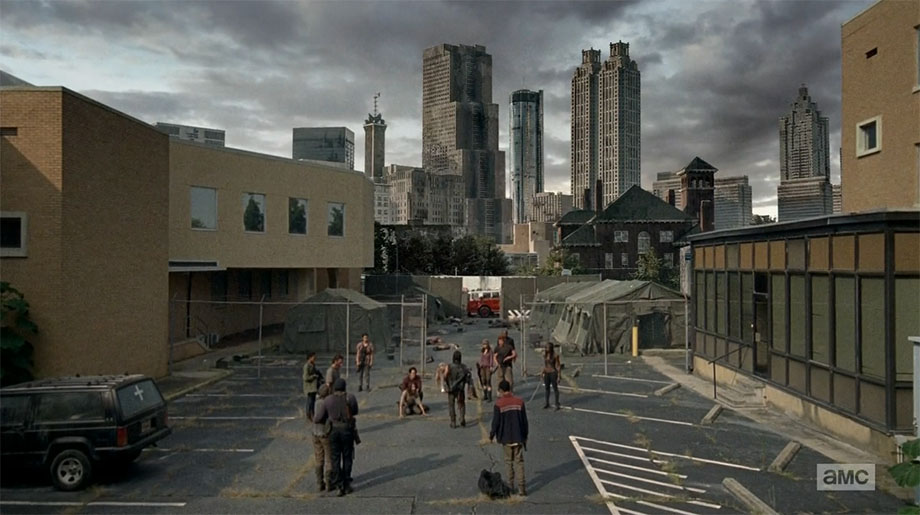
Credit: AMC
As the timeline moves further away from the original event, colour begins to return. Horizon Zero Dawn shows a world that exists centuries after its collapse, and the palette reflects that distance. Bright greens, vivid blues, and warm natural tones dominate the environment. Nature has reclaimed space, and with it comes a sense of renewal. The colours are no longer muted or apologetic. They are confident and alive, symbolising a world that has adapted rather than one that is still in shock.
This contrast is where colour becomes narrative. In Horizon Zero Dawn, the brightness does not undermine the dystopian setting. Instead, it reframes it. The world has moved on, even if its history remains violent and complex. Colour tells that story just as effectively as the characters do. Without a single line of dialogue, the palette alone communicates that this is not a world clinging to the past, but one that has evolved beyond it.
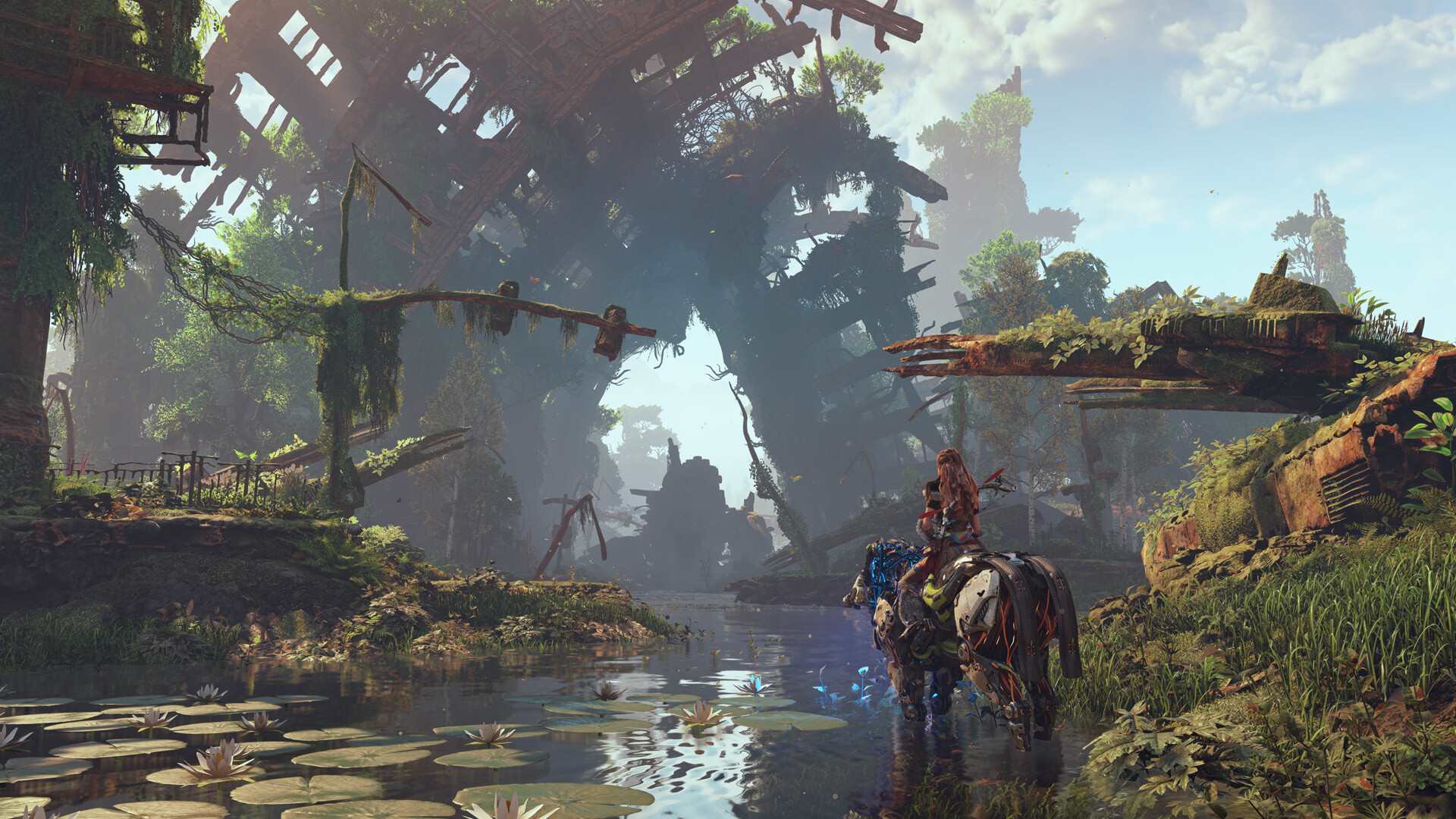
Credit: Sony Interactive Entertainment
Other dystopian settings sit somewhere between these extremes. The Maze Runner relies on controlled, limited colour to reinforce confinement and manipulation. Ready Player One splits its palette across two realities, using dull, desaturated tones for the physical world and high saturation for the digital escape. In each case, colour is doing more than setting a mood. It is guiding the audience’s understanding of power, freedom, and time.
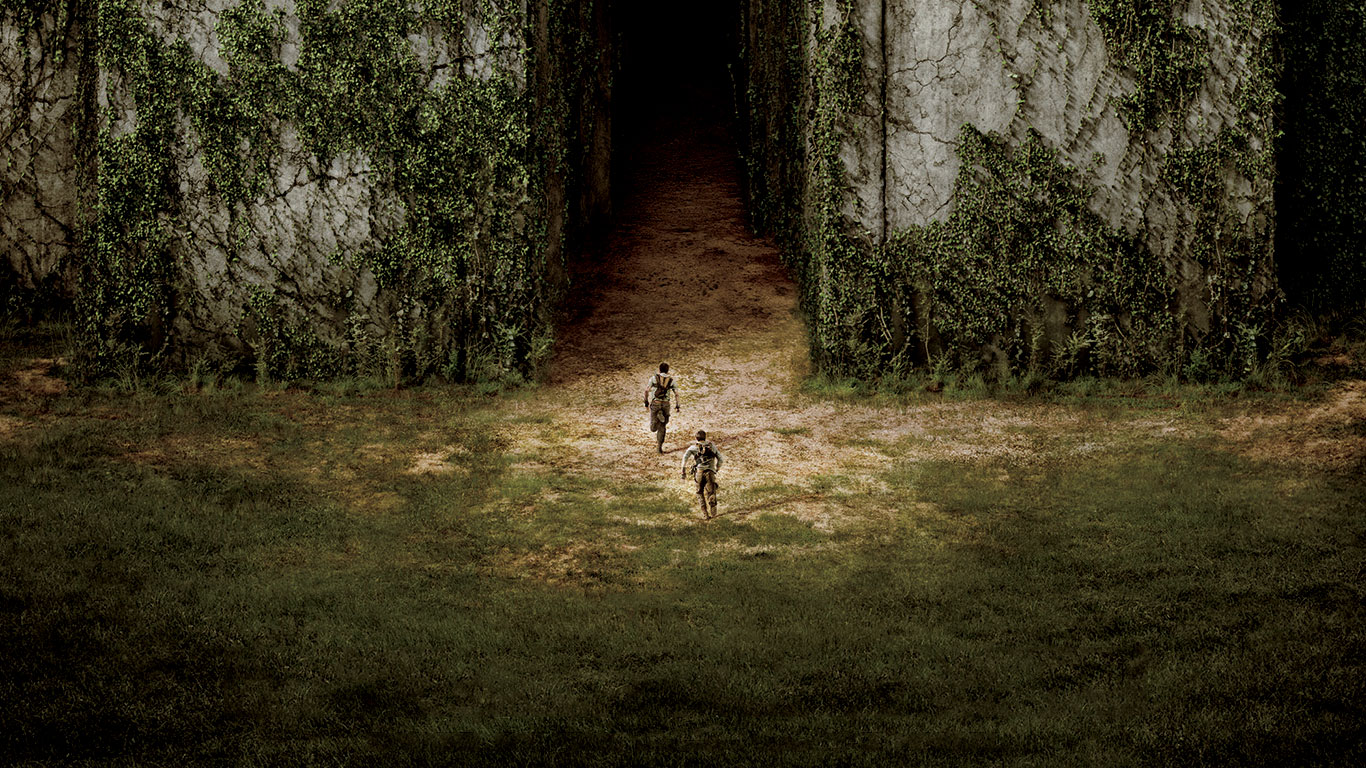
Credit: Maze Runner, 20th century fox
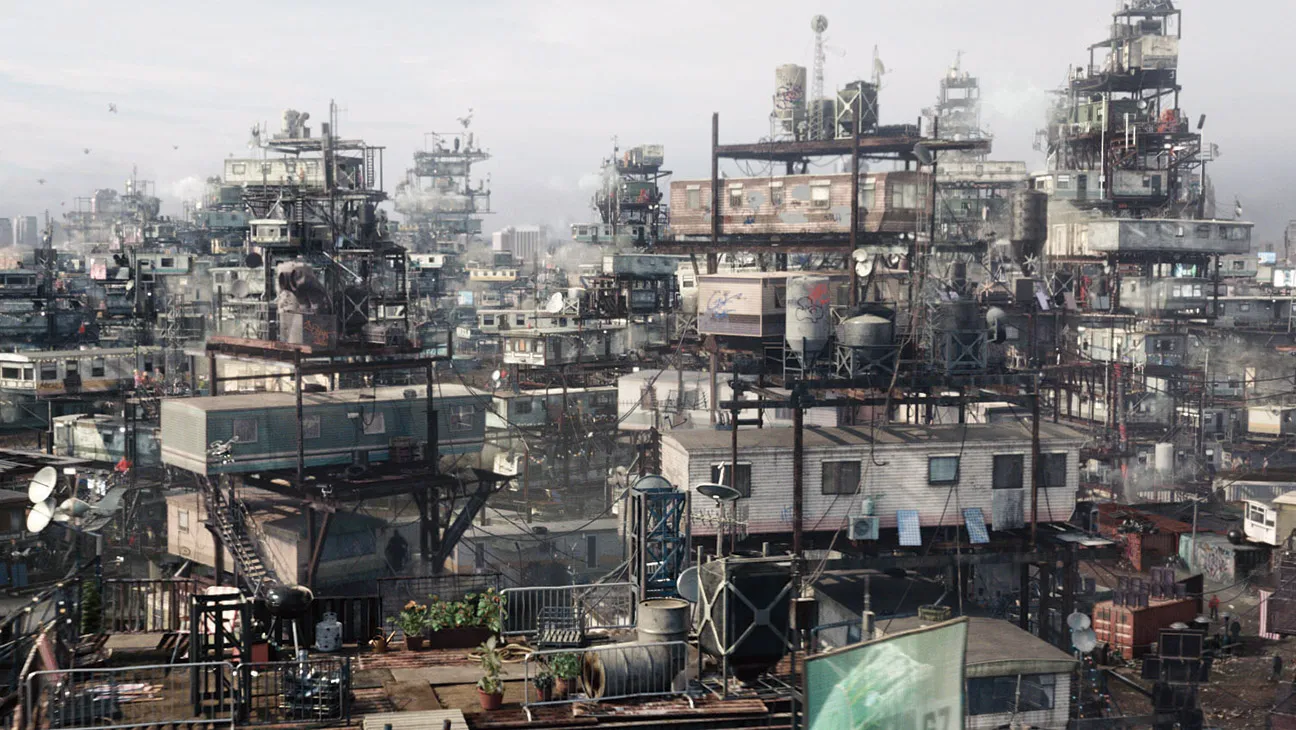
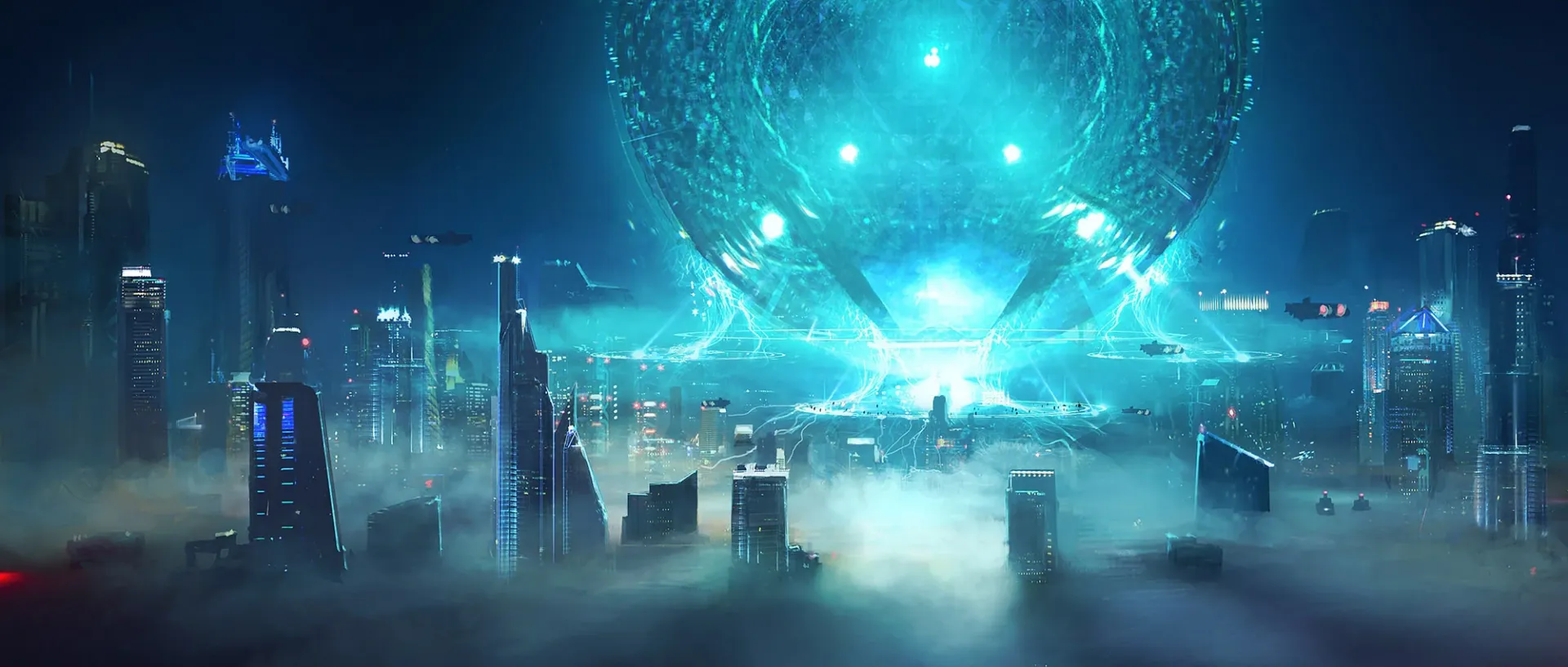
Credit: Ready Player One, Warner Bros. pictures
What ties these examples together is intention. Colour is never accidental in dystopian design. Whether it is drained, controlled, or vibrant, it exists to support the story being told. The further a world is from its collapse, the more freedom its visual language allows itself. The closer it is, the more restrained it becomes.