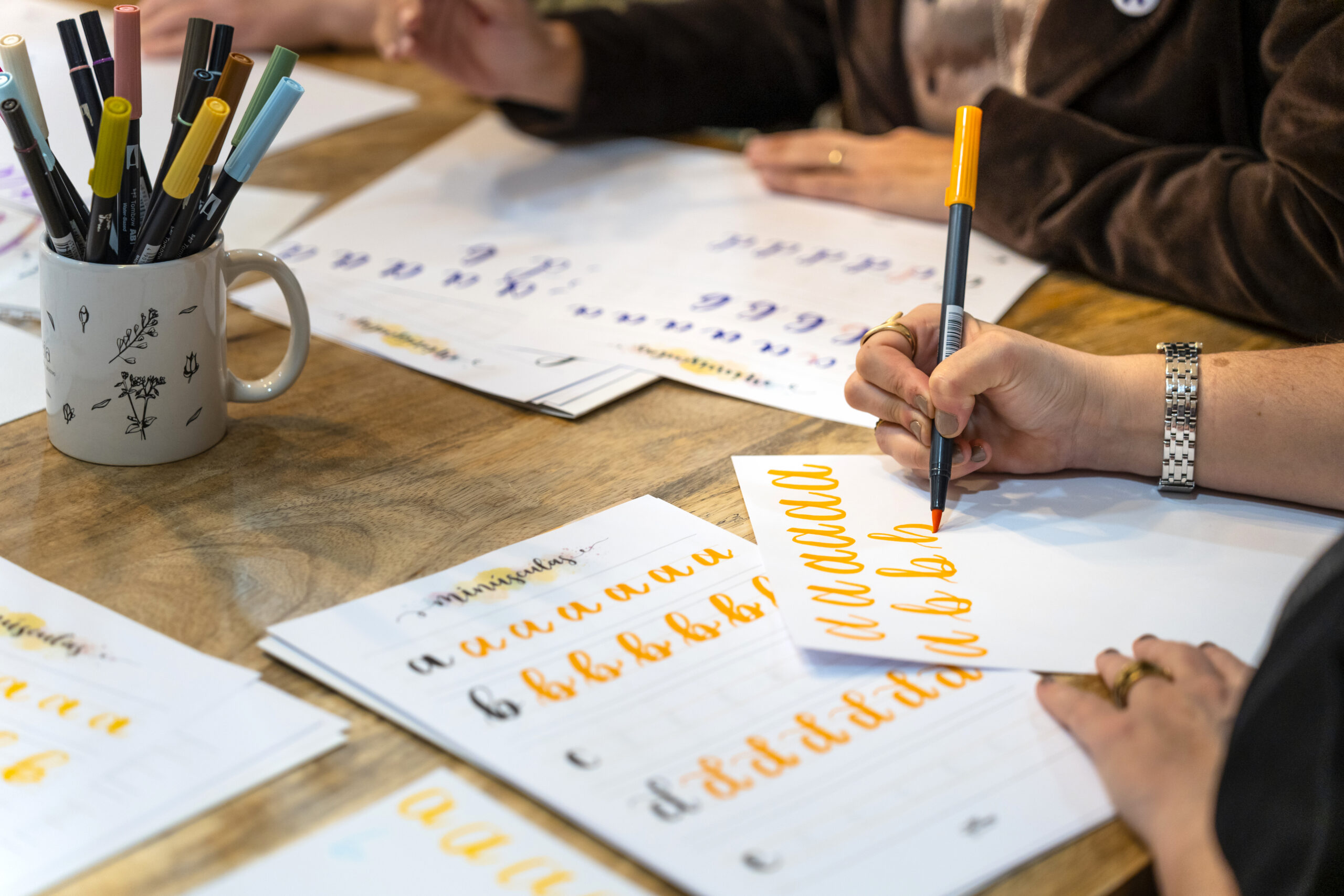

Typography is an integral part of our daily lives, even though we might not always realise it. From street signs and advertisements to product packaging and books, typography plays a crucial role in communicating messages quickly and effectively.
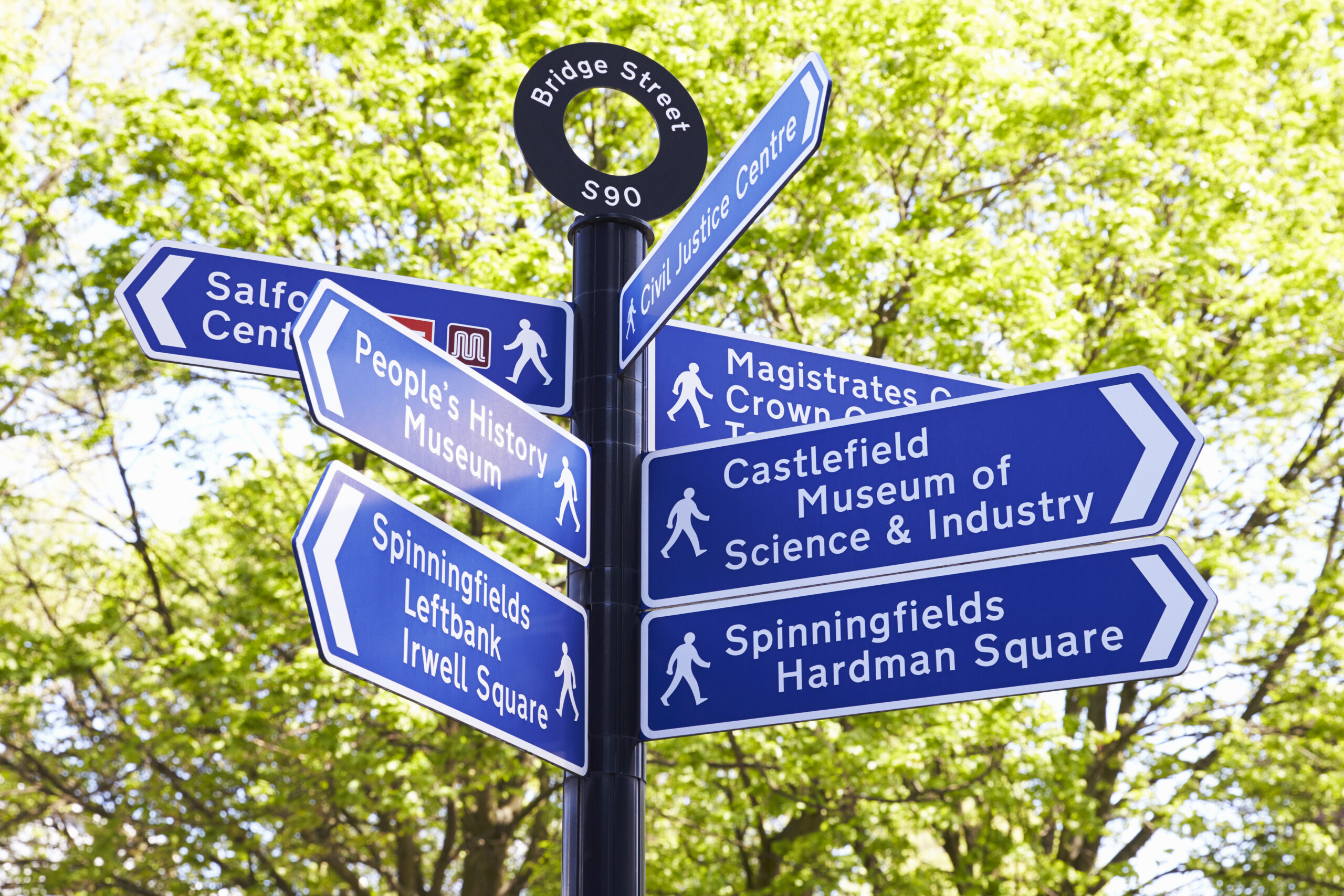
In everyday life, typography ensures clarity and guides our actions. Road signs, for example, use simple, bold fonts that are easy to read at a glance, even from a distance. The typefaces chosen for these signs are designed to be legible in all conditions, ensuring safety and efficient navigation.
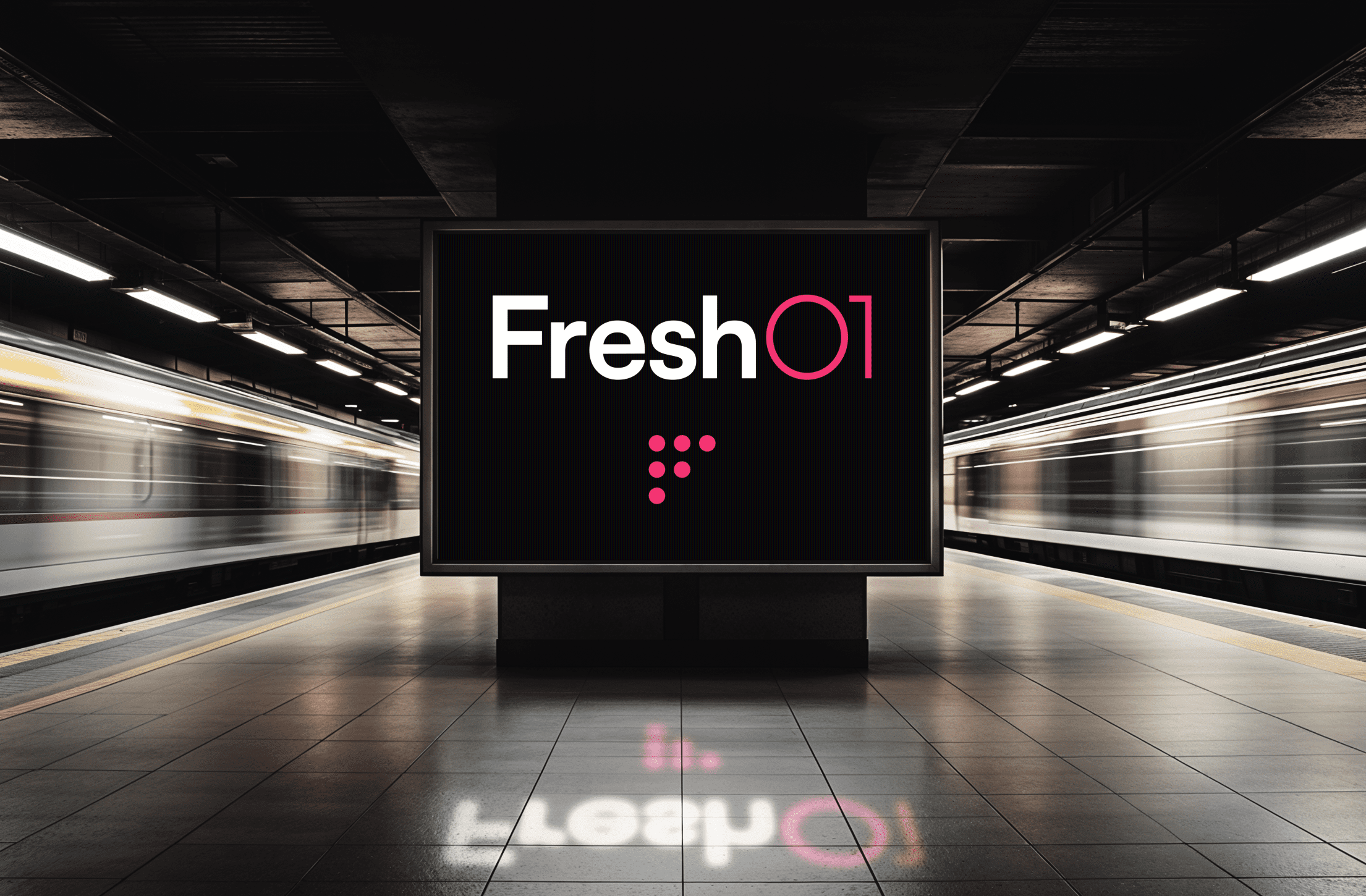
Advertising is another area where typography plays a key role. A well-designed advertisement uses type to capture attention and convey a message quickly. The font style, size, and placement can all influence how an ad is perceived and whether the viewer takes action. In a world saturated with information, the right typography can make a message stand out.
Typography is also essential in product packaging. The font chosen for a product label can affect a consumer’s perception of the product itself. A sleek, modern font might suggest a high-tech gadget, while a rustic, hand-lettered font might evoke thoughts of artisanal foods. In both cases, typography helps to tell a story about the product and persuade consumers to make a purchase.
Books, menus, and even movie credits are other examples of how typography impacts our daily lives. The font used in a book, for instance, can influence readability and the overall reading experience. Meanwhile, the typeface chosen for a restaurant menu can affect how appetising the dishes appear.
In every aspect of life, typography is at work, shaping our experiences and influencing our decisions. It’s a powerful tool that communicates without saying a word, proving that the correct use of type is about more than just aesthetics—it’s about effective communication.