
Avatar is often talked about for its scale, technology, and spectacle, but its strongest quality is visual intention. Every frame is designed with purpose. Colour, light, and composition work together to create a world that feels immersive, emotional, and alive. For designers, the films are a masterclass in how visual language can shape storytelling just as much as narrative or dialogue.
Colour is the most immediate element of Avatar’s identity. Pandora is built on a palette that feels otherworldly yet intuitive. Blues and teals dominate the Na’vi and their environment, creating a sense of calm, connection, and harmony with nature. These colours are cool but not cold. They feel soft, breathable, and organic, reinforcing the idea that this world is alive and balanced.

Image credit: 20th Century Studios
In contrast, human technology is marked by harsher, more industrial tones. Greys, muted greens, and artificial lighting cut through the natural palette of Pandora. This contrast is never subtle. It visually separates nature from machinery, making the conflict readable before it is ever spoken. The colour choices alone tell you who belongs in this environment and who does not.

Image credit: 20th Century Studios
This clarity begins long before the final frames appear on screen. During the design stage of Avatar, early concept art shows the Na’vi as far more alien in form. Their features were exaggerated, unfamiliar, and closer to traditional sci-fi creatures. James Cameron made the deliberate decision to pull them back into something more recognisable. By making the Na’vi bipedal and more anthropomorphic, the audience is given an emotional entry point. We are able to read their expressions, body language, and relationships instinctively. From a design perspective, this is a powerful reminder that relatability is a design choice, not a compromise.

Image credit: Na’vi concept art, 20th Century Studios, via Avatar Official X account
Light is used with the same level of care. Bioluminescence is not just a visual spectacle but a storytelling device. The glowing plants, animals, and landscapes give Pandora a sense of rhythm and energy. Light becomes a living element of the world, responding to movement and emotion. This creates depth and layering within the frame, guiding the viewer’s eye naturally through each scene.
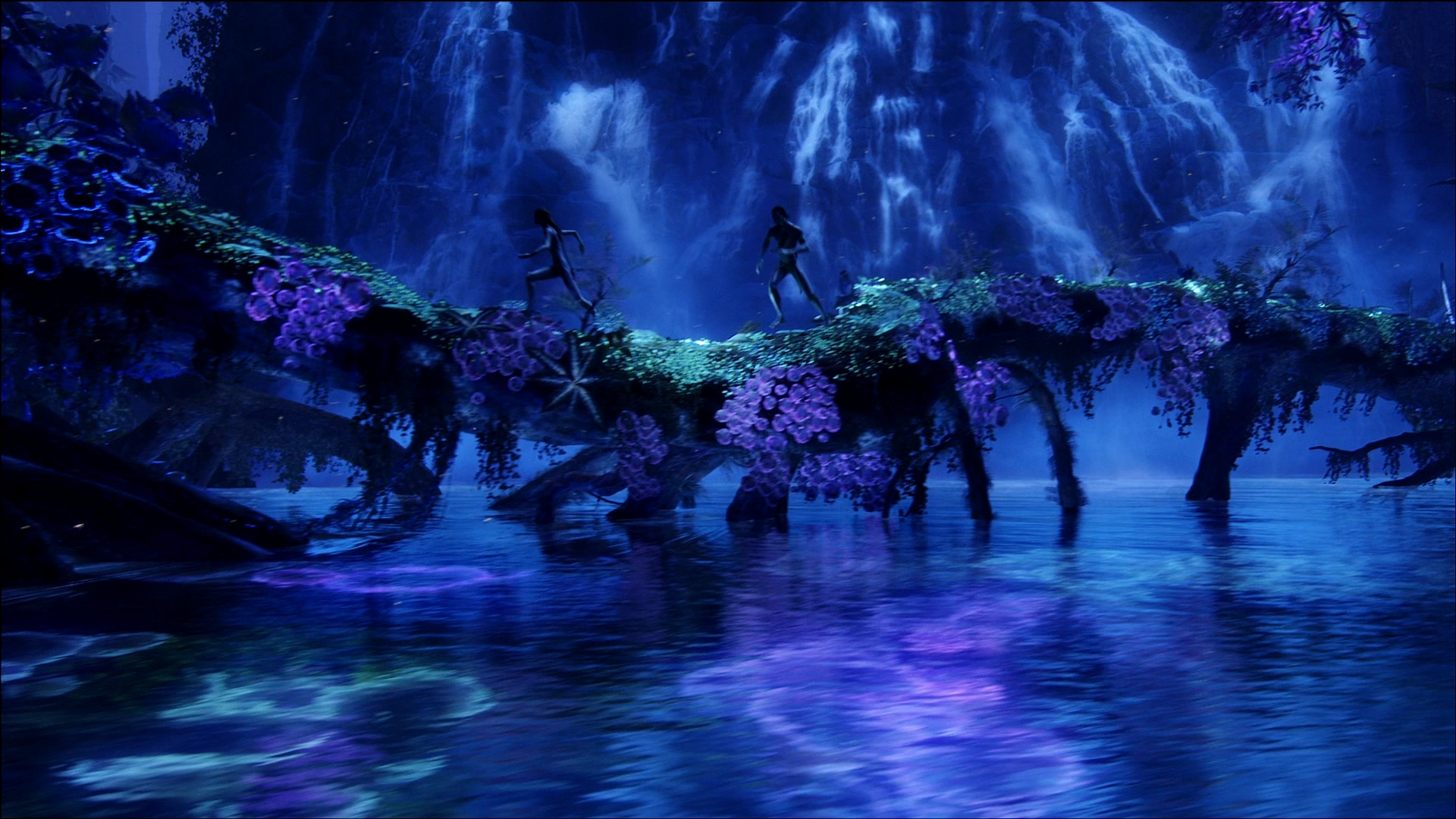
Image credit: 20th Century Studios
The framing of shots reinforces this sense of scale and wonder. Wide compositions establish Pandora as vast and untamed, often placing characters small within the environment. This immediately communicates their relationship to the world around them. Nature is the dominant presence rather than just a backdrop. When the camera moves closer, it does so with intention, allowing moments of intimacy to feel earned and emotionally grounded.
There is a strong sense of visual balance throughout the films. Scenes are carefully composed so that movement, colour, and focus feel controlled rather than chaotic. Even during action sequences, the viewer is rarely overwhelmed. The clarity of each frame allows the world to remain readable, maintaining immersion instead of breaking it.
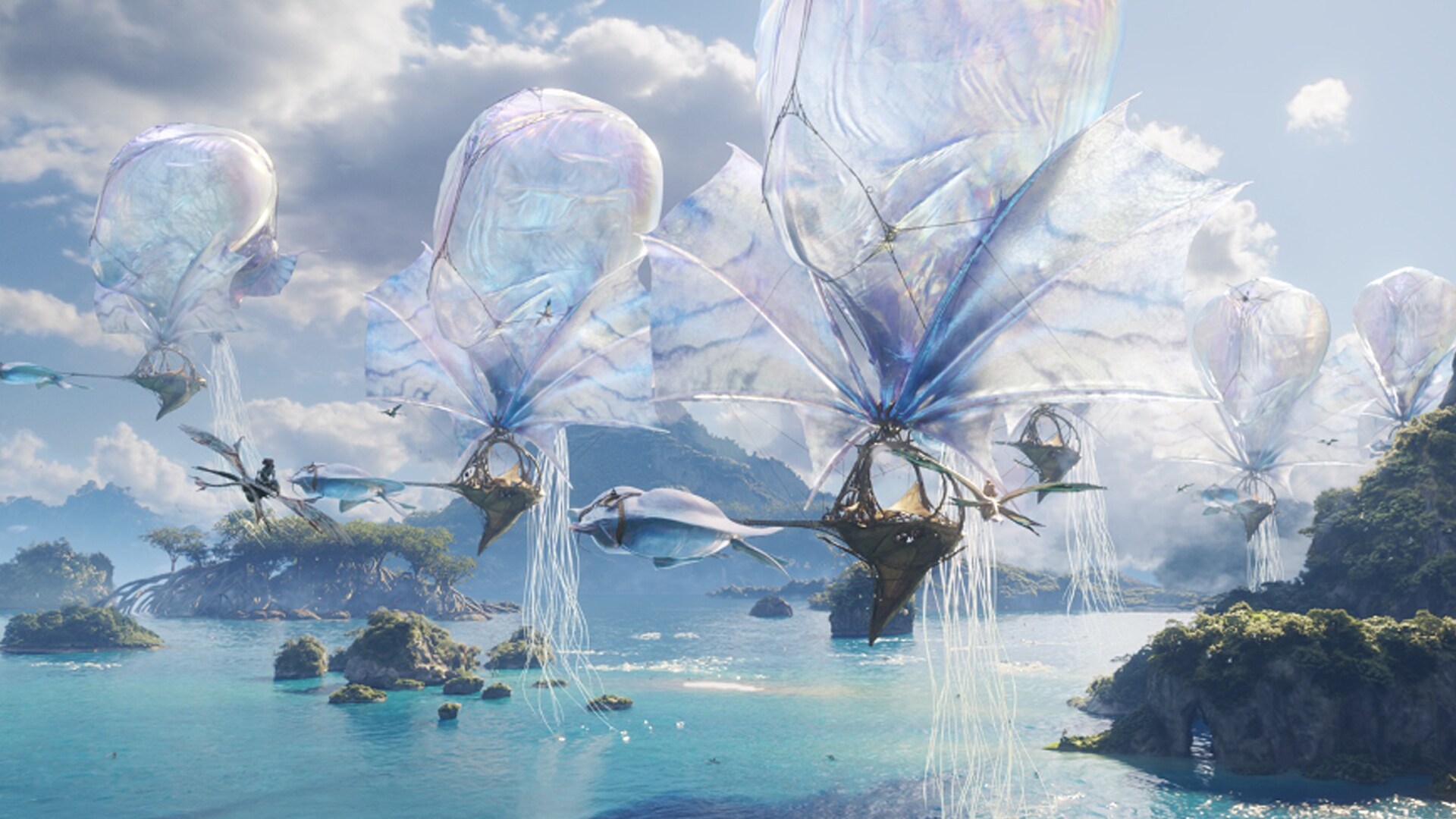
What makes Avatar particularly powerful from a design standpoint is its consistency. The visual language does not shift for convenience. Colour, lighting, and composition remain aligned with the themes of connection, respect, and environmental harmony. This consistency builds trust with the audience. The world feels believable because its rules are visually upheld.
Avatar shows how design can carry meaning without explanation. Colour communicates morality. Light communicates life. Composition communicates power and vulnerability. The decision to make the Na’vi visually relatable sits at the core of this success. It proves that even the most fantastical worlds rely on human-centred design thinking to truly resonate.
The films succeed because they treat every frame as designed space. That approach is what makes Pandora feel less like a setting and more like a living world.